


.png)
TLDR
- The top healthcare website design companies in the USA for 2026 include Quixta, Goji Labs, Digital Silk, ANML, Eastern Standard, Brafton, Huemor, RNO1, Lounge Lizard, and Clay.
- Healthcare website design costs range from $5,000 to $200,000+ depending on organization size, integrations, and content requirements.
- When selecting an agency, prioritize healthcare industry experience, patient-centered UX, WCAG 2.2 accessibility, HIPAA awareness, and SEO capabilities.
- The right agency depends on your organization type: private practices, multi-location clinics, hospitals, and health-tech companies each have different requirements.
The best healthcare website design companies in the USA combine UX/UI design, development, and SEO with an understanding of patient journeys, accessibility standards, and healthcare-specific compliance needs. A healthcare website is often the first point of contact between a patient and a medical organization, and it needs to do more than look professional. It should help patients find providers, understand services, verify insurance, and schedule appointments without friction.
This guide evaluates 10 healthcare website design companies based on their healthcare experience, UX capabilities, technical expertise, and approach to accessibility, privacy, and performance. It also covers what to look for when selecting an agency, typical costs, and answers to common questions about healthcare web design.
A Quick Comparison Table for Top 10 Healthcare Website Design Companies in the USA (2026)
Company | Core Strength | Best For |
Quixta | Custom, scalable healthcare websites | Healthcare organizations seeking custom digital solutions |
Goji Labs | UX/UI and digital products | Health-tech and digital product ecosystems |
Digital Silk | Full-service digital solutions | Healthcare brands seeking design + marketing |
ANML | Connected digital experiences | Health-tech products and complex workflows |
Eastern Standard | Healthcare digital transformation | Large healthcare organizations |
Brafton | Content + SEO | Healthcare brands focused on organic traffic |
Huemot | Visual design + conversion | Healthcare brands seeking distinctive design |
RNO1 | Health-tech UX and branding | Complex healthcare and health-tech platforms |
Lounge Lizard | Web design + digital marketing | Healthcare organizations wanting end-to-end services |
Clay | UX/UI and digital experiences | Healthcare and health-tech products requiring sophisticated UX |
Top Healthcare Website Design Companies in the USA
1. Quixta
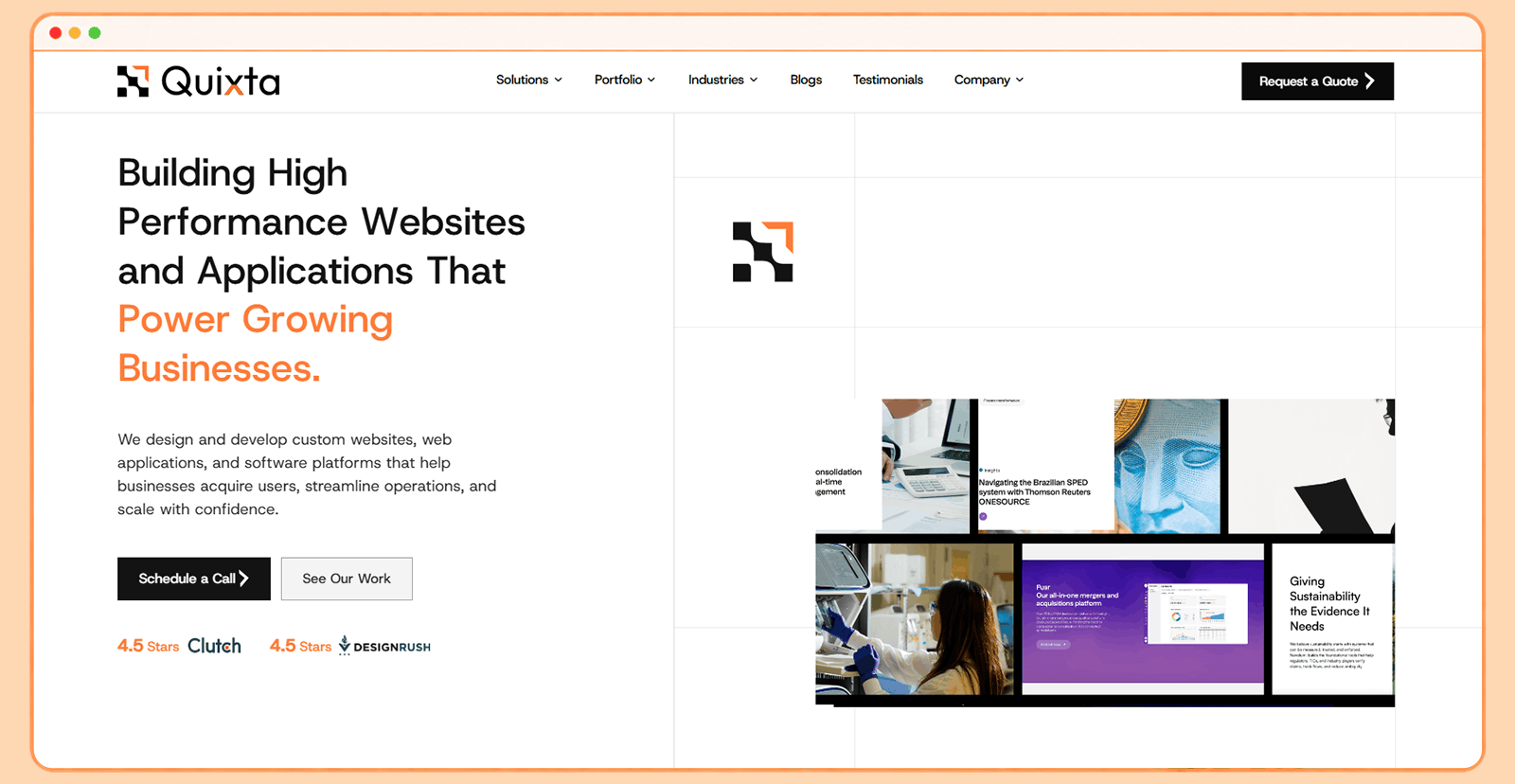
Quixta is a digital solutions agency focused on custom websites, web applications, and digital experiences. Its process combines business strategy, UX, and engineering to build scalable digital products instead of template-based websites. Quixta also provides SEO alongside website design and development so that organizations can treat performance and search visibility as part of the same digital strategy.
Company details:
Founded: 2016
Headquarters: Bangalore, Karnataka, India
Primary Markets: USA, UK, Europe, Middle East, and Asia-Pacific
Team Size: 28+ employees
Clutch Rating: 4.9/5
DesignRush Rating: 4.8/5
Core Services: Webflow Development, Custom Website Development, UI/UX Design, WordPress Development, Web Applications, Website Maintenance
Notable Clients: Bliss Care, Direct Ear Care, Unmind Health, Private Med
Why Choose Quixta?
- Quixta develops tailored websites based on each healthcare organization's brand identity, target audience, and business objectives, rather than relying solely on pre-built templates.
- Its focus on intuitive navigation and clear information architecture helps patients find relevant services, provider details, and contact information more easily.
- Quixta builds responsive digital experiences that work across smartphones, tablets, and desktops.
- By integrating SEO with website development, Quixta helps healthcare organizations improve search visibility, website performance, and user experience.
- Its services include web applications, CMS development, and custom software, helping organizations expand their digital capabilities as requirements evolve.
Best For: Healthcare organizations seeking custom, scalable websites that combine UX/UI design, web development, SEO, and tailored digital solutions.
Case Studies:
2. Goji Labs
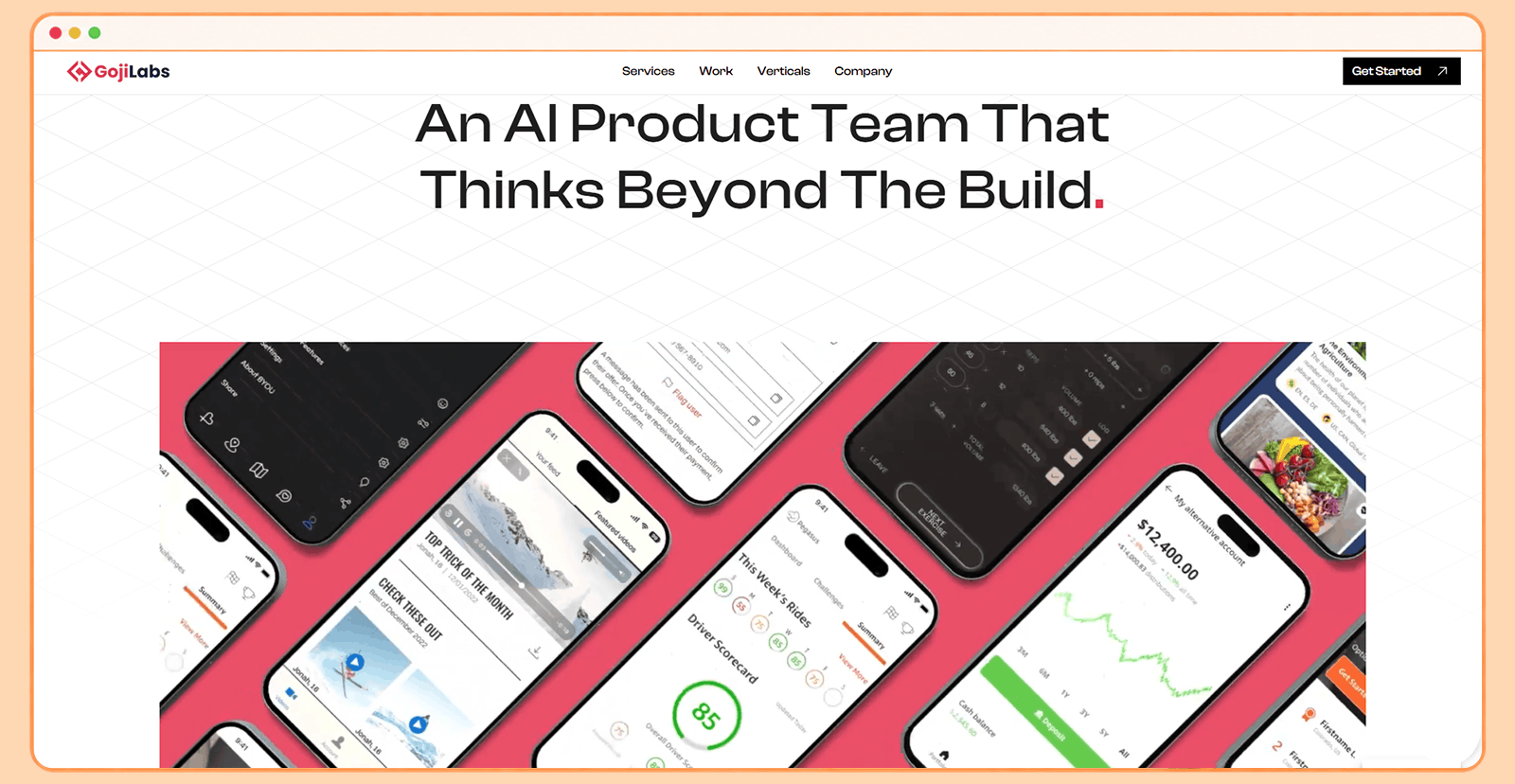
Goji Labs is a Los Angeles-based digital product agency specializing in UX/UI design, product development, and digital experiences. As of August 2026, Goji Labs ranks first on GoodFirms’ healthcare web design list. GoodFirms states that its directory covers more than 13,000 companies worldwide.
Company details:
Founding Year: 2014
Headquarters: Los Angeles, California, USA
Primary Markets: United States, with international client reach.
Team Size: 50–99 employees
Clutch Rating: 5.0/5
DesignRush Rating: 5.0/5
Core Services: UX/UI design, digital product strategy, website development, software development, healthcare technology solutions, user research, and prototyping.
Notable Clients: Valara, PredictionStrike, Mural
Why Choose Goji Labs?
- Goji Labs combines product strategy, user research, and design to create digital experiences aligned with user needs and business goals.
- Its emphasis on usability and prototyping helps healthcare organizations develop intuitive websites and digital products.
- The agency suits health-tech companies that need integrated digital platforms rather than standalone informational websites.
- Best For: Healthcare technology startups and organizations developing digital health products, patient-facing applications, and complex software platforms.
3. Digital Silk
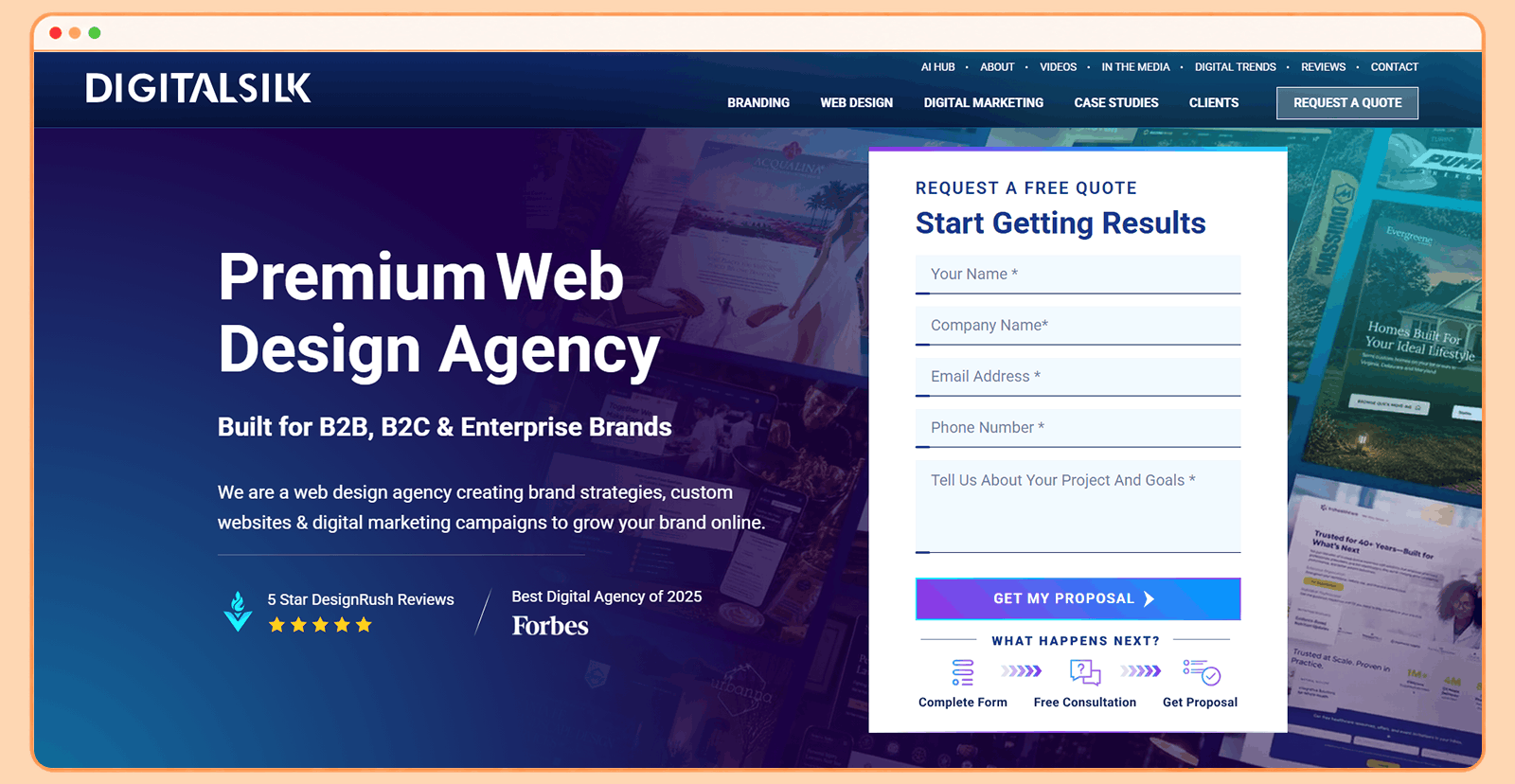
Digital Silk is a full-service digital agency offering website design, development, branding, and digital marketing. Its broader capabilities let healthcare organizations address their website, brand identity, user experience, and digital marketing strategy with one partner.
Company details:
Founding Year: 2015
Headquarters: Sunny Isles Beach, Florida, USA
Primary Markets: United States, with international client reach across North America and other global markets.
Team Size: 100+ employees
Clutch Rating: 4.9/5
DesignRush Rating: 4.9/5
Core Services: Website design and development, UX/UI design, branding, e-commerce development, CMS development, SEO, and digital marketing.
Notable Clients: Sony, IBM, AT&T, Microsoft, Xerox, NASA, NFL, Procter & Gamble, and New York University.
Why Choose Digital Silk?
- Digital Silk combines website design, development, branding, and digital marketing under one service provider.
- Its approach helps healthcare organizations establish a consistent digital identity while creating accessible, engaging website experiences.
- The agency integrates SEO and digital marketing with website development to support online visibility and business growth.
Best For: Healthcare brands looking for an integrated solution combining website design, brand development, SEO, and digital marketing.
4. ANML
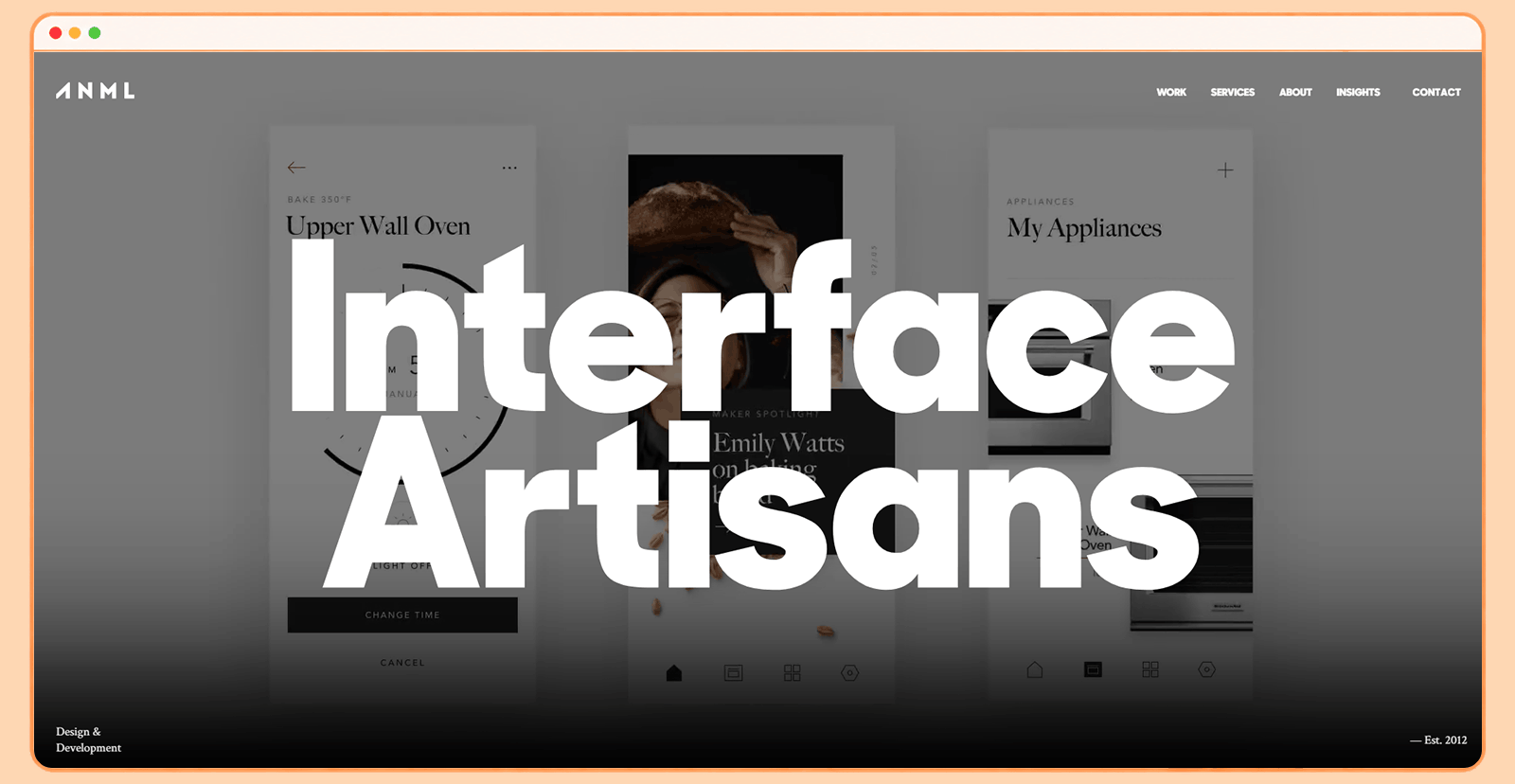
ANML is a senior-led design and development studio focused on connected experiences, apps, and web platforms. Its healthcare work spans digital health, orthodontics, wellness, and AI-powered healthcare products, with clients including OrthoFX, PanasonicWell, and Cognita AI.
Company details:
Founding Year: 2012
Headquarters: San Jose, California, USA
Primary Markets: United States, with international client reach.
Team Size: 40+ employees
Clutch Rating: 4.9/5
DesignRush Rating: 4.9/5
Core Services: UX/UI design, digital product design, website and application development, brand strategy, patient-facing interfaces, clinician-facing interfaces, and connected digital experiences.
Notable Clients: ServiceNow, NetApp, Palo Alto Networks, Zoom, Autodesk, Logitech, and Ford.
Why Choose ANML?
- ANML specializes in designing connected experiences across websites, applications, and digital platforms.
- Its work across digital health, wellness, and healthcare technology makes it relevant to organizations with patient-facing and clinician-facing interfaces.
- The agency focuses on simplifying digital interactions, helping users navigate products and services more intuitively.
Best For: Health-tech companies that need connected digital experiences, intuitive interfaces, and user-friendly patient- or clinician-facing platforms.
5. Eastern Standard
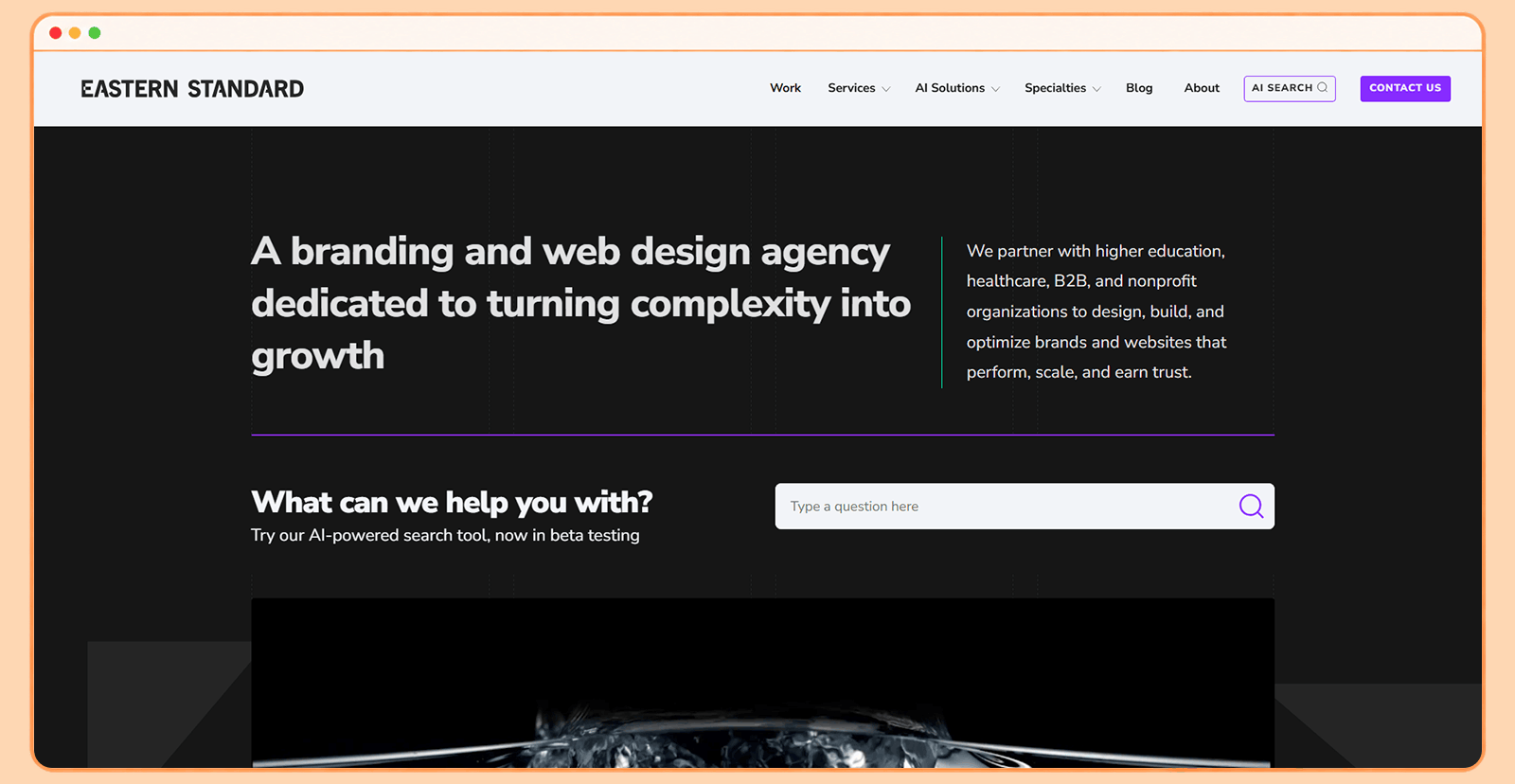
Eastern Standard is a digital agency specializing in brand and digital transformation, with a dedicated healthcare practice. The agency works with healthcare providers, health systems, clinical research organizations, and healthcare SaaS companies to create digital experiences focused on patient journeys and organizational goals.
Company details:
Founding Year: 2014
Headquarters: Philadelphia, Pennsylvania, USA
Primary Markets: United States, primarily serving domestic organizations.
Team Size: 40+ employees
Clutch Rating: 5.0/5
DesignRush Rating: 4.9/5
Core Services: Healthcare website strategy, UX/UI design, information architecture, custom web development, branding, content strategy, SEO, analytics, and digital transformation.
Notable Clients: Temple Health, PolicyLab at Children's Hospital of Philadelphia, Follett, and EverVet.
Why Choose Eastern Standard?
- Eastern Standard has a dedicated healthcare practice serving healthcare providers, health systems, clinical research organizations, and healthcare technology companies.
- Its services combine website strategy, information architecture, branding, and development to address complex organizational requirements.
- The agency suits large healthcare organizations managing multiple services, locations, audiences, and digital properties.
Best For: Large healthcare systems, hospitals, and medical organizations managing complex websites, multiple service lines, and diverse audiences.
6. Brafton
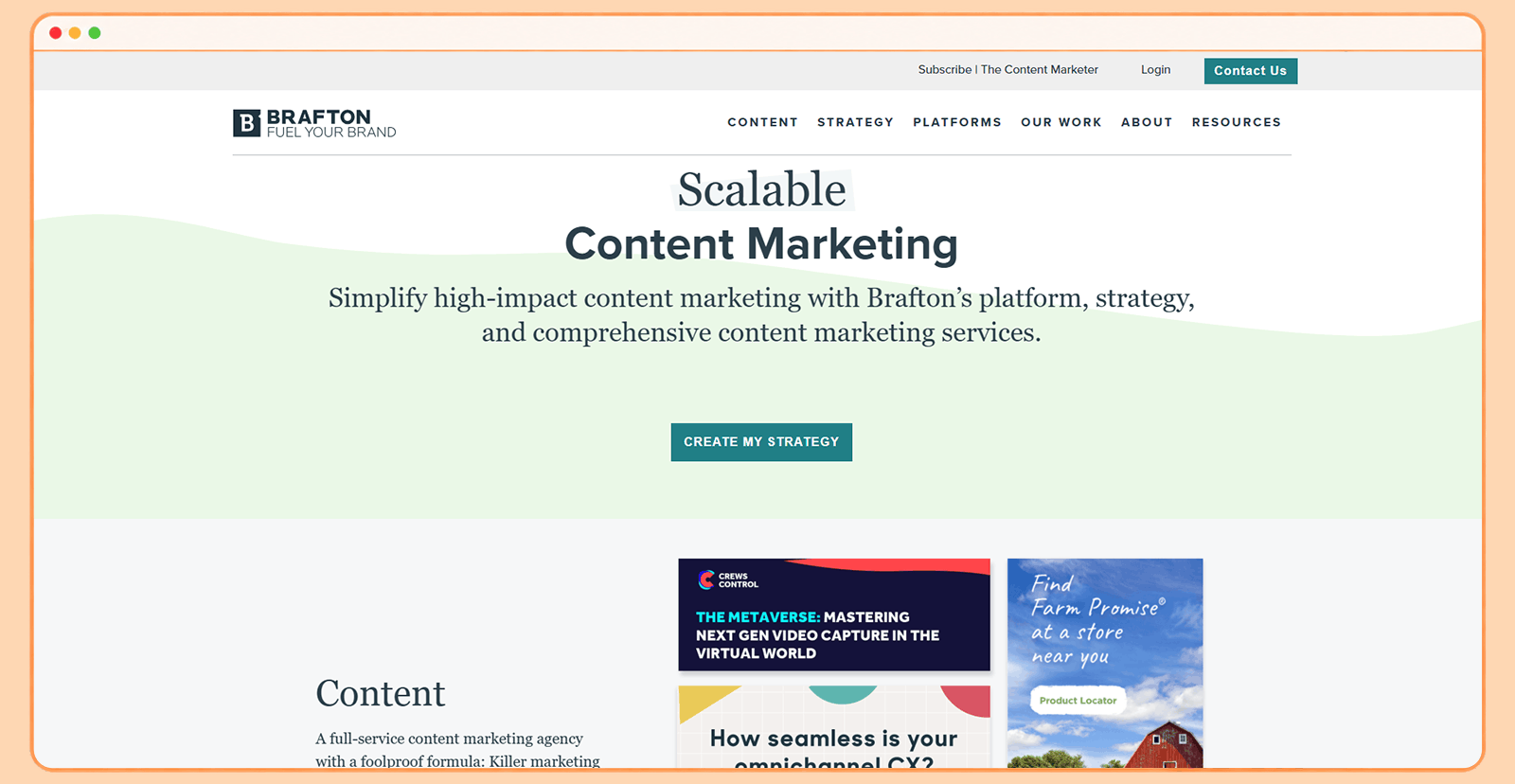
Brafton combines website design and development with content marketing and SEO. This combination suits healthcare organizations that want their websites to attract organic traffic and publish educational content.
Company details:
Founding Year: 2008
Headquarters: Boston, Massachusetts, USA
Primary Markets: United States, United Kingdom, Australia, and other international markets.
Team Size: 50+ employees
Clutch Rating: 4.9/5
DesignRush Rating: 4.0/5
Core Services: Website design and development, content strategy, content marketing, SEO, technical SEO, copywriting, social media marketing, email marketing, and paid media.
Notable Clients: Stanford University, MIT, Cisco Systems, Zendesk, Canva, Citrix Systems, and Epson.
Why Choose Brafton?
- Brafton combines website development with content marketing and SEO to support organic search visibility.
- Its content strategy and production services help healthcare organizations publish informative material for patients and other audiences.
- The agency connects content, website optimization, and digital marketing to support long-term audience engagement.
Best For: Healthcare organizations looking to improve organic search visibility through content-driven website design, SEO, and educational content marketing.
7. Huemot
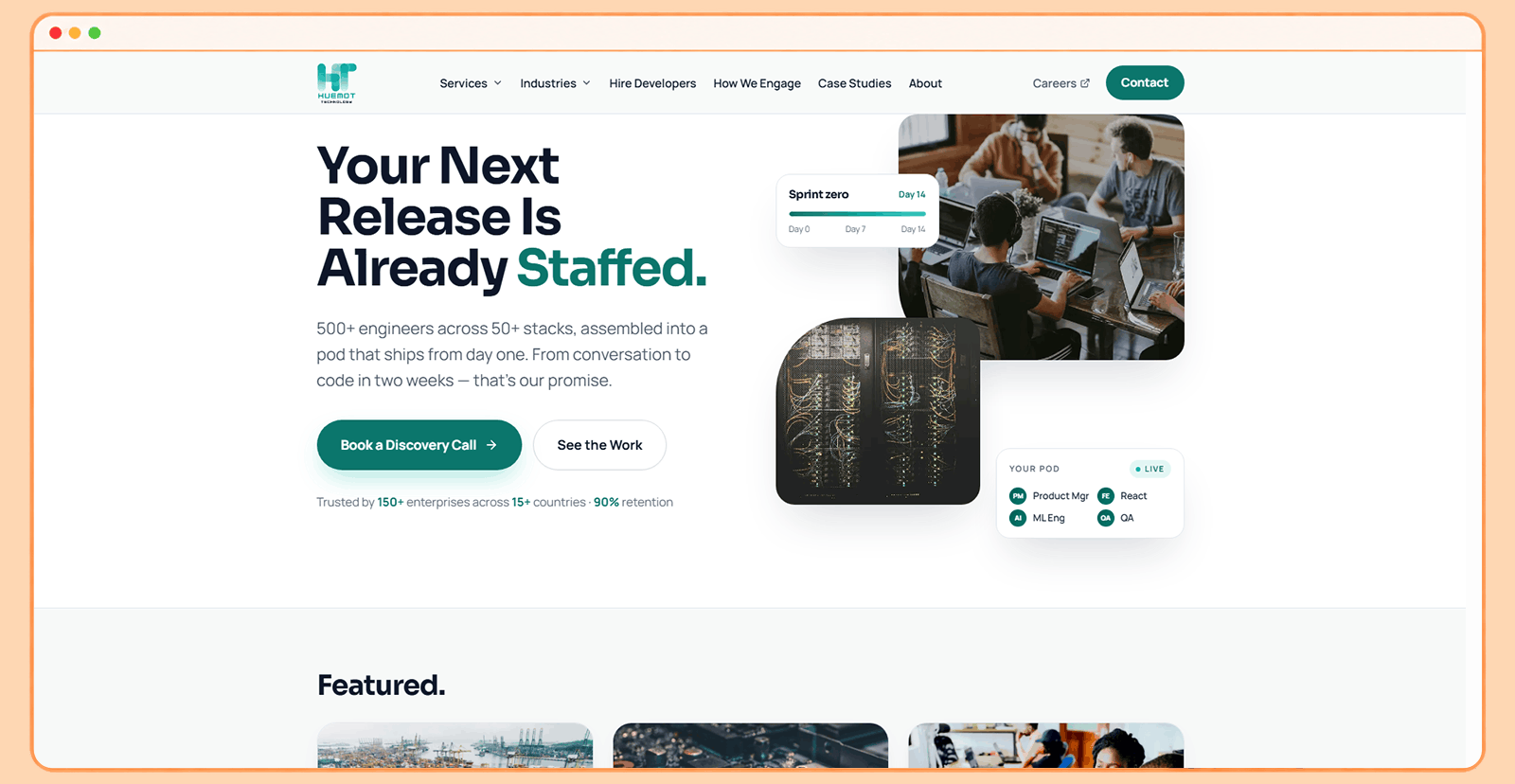
Huemot is a web design and development agency focused on creating engaging digital experiences. Its services span UX/UI, website development, branding, and conversion optimization, making it a strong fit for healthcare organizations that want to combine strong visual design with measurable website outcomes.
Company details:
Founding Year: 2011
Headquarters: Pittsburgh, Pennsylvania, USA
Primary Markets: United States, with international client reach.
Team Size: 50+ employees
Clutch Rating: 4.8/5
DesignRush Rating: 4.9/5
Core Services: Custom website design, WordPress development, UX/UI design, web development, e-commerce, conversion rate optimization, SEO, branding, and digital strategy.
Notable Clients: United Nations, Special Olympics, United Way, Revlon, Live Nation, BetterCloud, and AgAmerica.
Why Choose Huemot?
- Huemot creates visually engaging websites that help healthcare brands build a recognizable online identity.
- Its focus on user experience and conversion optimization makes website interactions more intuitive.
- The agency offers website strategy, responsive development, CMS solutions, and performance optimization within a connected workflow.
Best For: Healthcare brands seeking visually distinctive, conversion-focused websites with intuitive navigation, responsive development, and strong brand identity.
8. RNO1
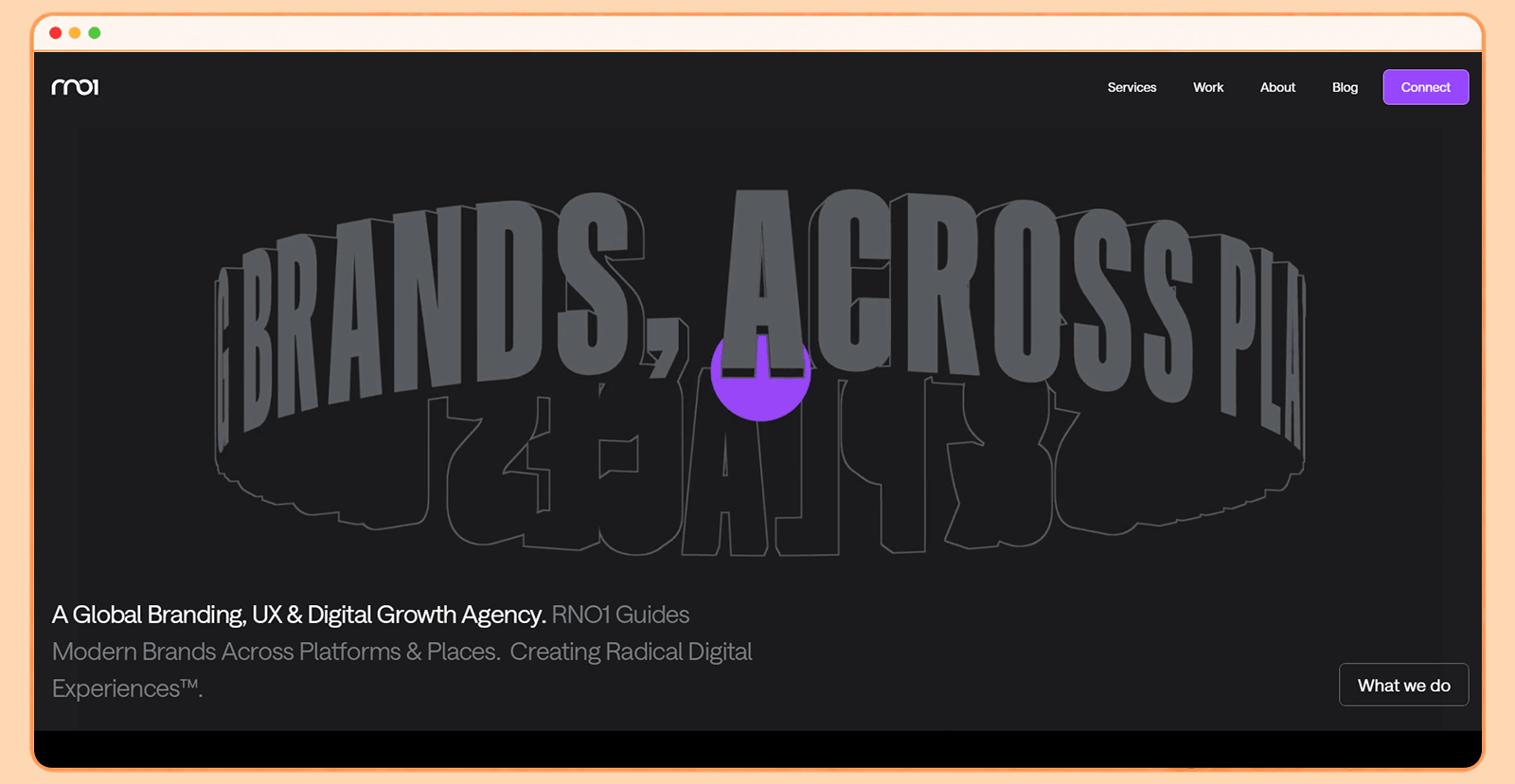
RNO1 has a dedicated healthcare practice that simplifies complex health-tech and life-science platforms for patients, providers, and researchers. Its approach combines research, brand positioning, UX/product design, and digital infrastructure.
Company details:
Founding Year: 2010
Headquarters: San Francisco, California, USA
Primary Markets: United States, with international client reach across North America and other global markets
Team Size: 50+ employees
Clutch Rating: 4.8/5
DesignRush Rating: 4.8/5
Core Services: UX/UI design, website design, digital product design, brand strategy, visual identity, digital infrastructure, research, and digital growth strategy.
Notable Clients: Airbnb, Microsoft, Disney, BMW, Ericsson, Dentsu, and Cox Media Group.
Why Choose RNO1?
- RNO1 combines UX design, product strategy, and digital infrastructure to support complex healthcare and health-tech platforms.
- Its branding and visual identity services help healthcare businesses communicate their value and differentiate themselves in competitive markets.
- The agency focuses on making complex digital products easier to understand and use for patients, providers, and other audiences.
Best For: Health-tech startups and established healthcare technology companies that need strategic branding, sophisticated UX/UI design, and scalable digital product experiences.
9. Lounge Lizard
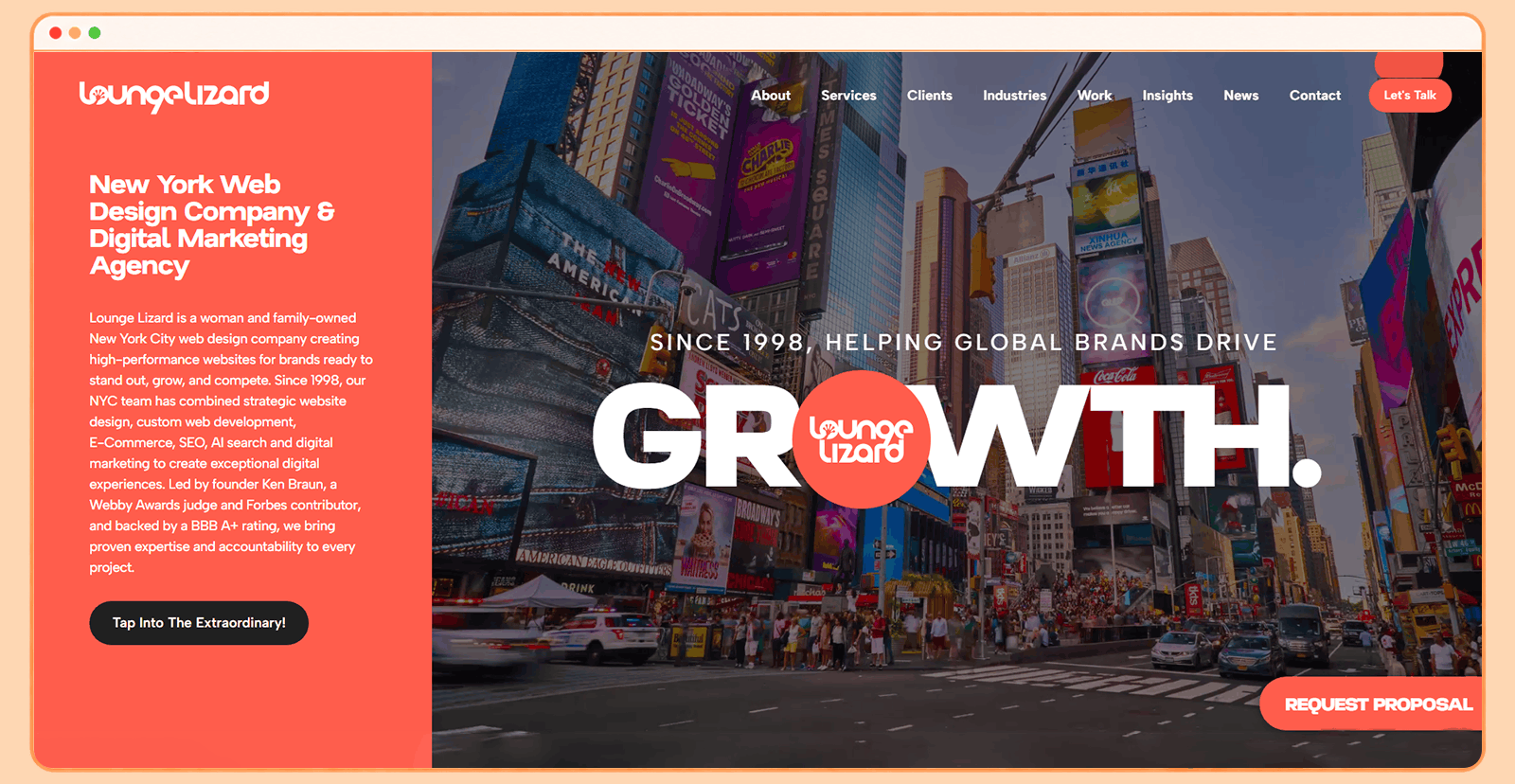
Lounge Lizard is a full-service web design and digital marketing agency that has been operating since 1998. Its healthcare practice covers medical practices and larger healthcare organizations, with services spanning design, development, marketing, and ongoing website support.
Company details:
Founding Year: 1998
Headquarters: New York City, New York, USA
Primary Markets: United States, with international client reach.
Team Size: 50+ employees
Clutch Rating: 4.8/5
DesignRush Rating: 4.8/5
Core Services: Website design and development, UX/UI design, WordPress development, branding, SEO, paid advertising, digital marketing, e-commerce, and website maintenance.
Notable Clients: Disney, Honeywell, Canon, New York University, Reuters, Nikon, the Department of Defense, and the Museum of Modern Art.
Why Choose Lounge Lizard?
- Since 1998, Lounge Lizard has built a strong track record in website design, development, and digital marketing.
- Its services include custom medical website design, responsive development, WordPress solutions, and UX/UI strategy.
- The agency offers SEO, digital marketing, and website maintenance to support continued website performance after launch.
Best For: Medical practices, healthcare providers, and healthcare technology businesses seeking comprehensive website design, SEO, digital marketing, and ongoing website support.
10. Clay
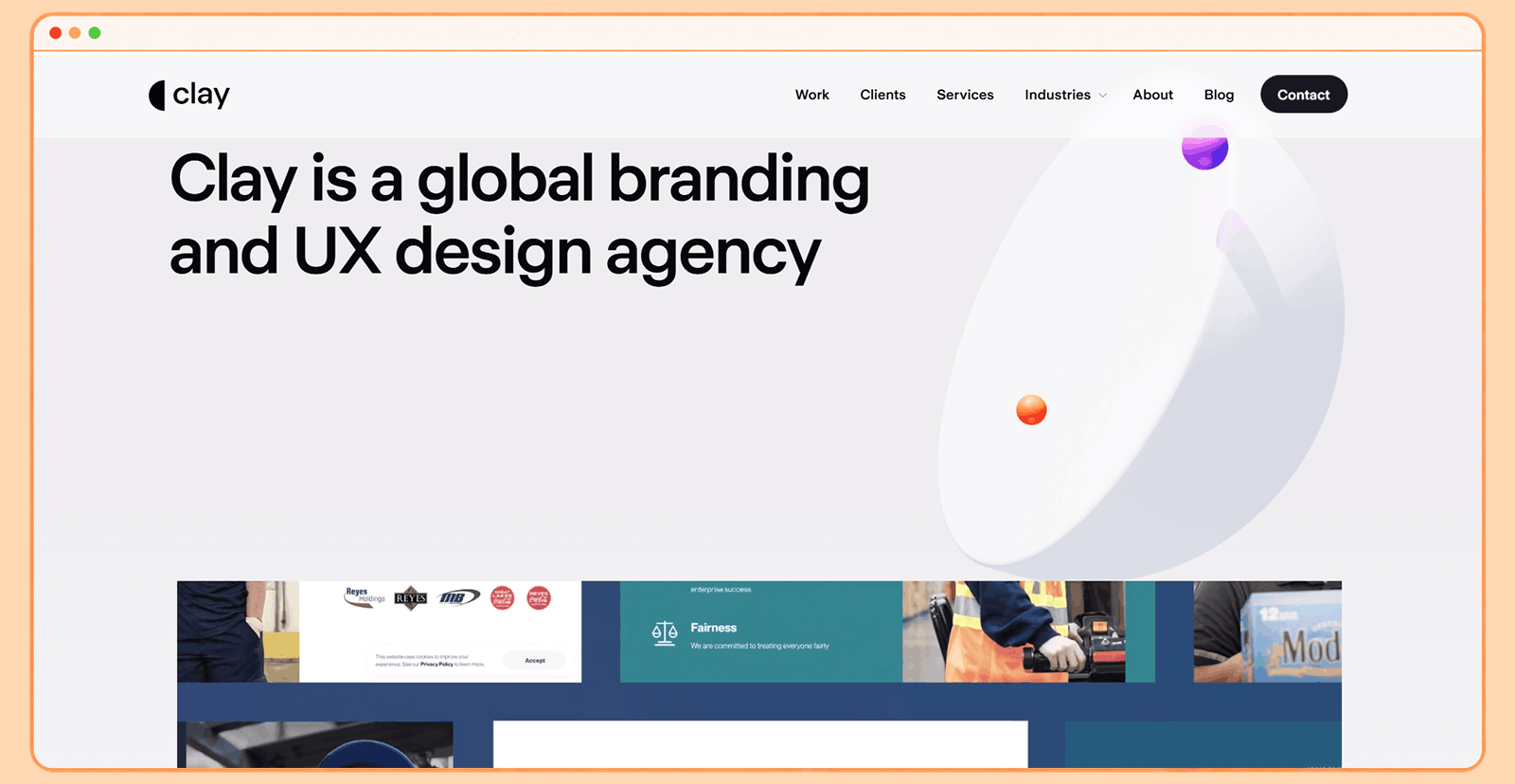
Clay is a digital experience and product design agency known for its focus on UX/UI, digital products, branding, and user-centered experiences. Its capabilities make it particularly relevant to healthcare and health-tech organizations where sophisticated interfaces and clear user journeys are essential.
Company details:
Founding Year: 2016
Headquarters: San Francisco, California, USA
Primary Markets: United States, with international client reach across North America, Europe, and other global markets.
Team Size: 50–99 employees
Clutch Rating: 4.8/5
DesignRush Rating: 4.9/5
Core Services: UX research, UX/UI design, digital product design, website design, prototyping, branding, design systems, interaction design, and digital experience strategy.
Notable Clients: Google, Meta, Slack, Snapchat, Coinbase, Amazon, Coca-Cola, Uber, Sony, T-Mobile, and Cisco.
Why Choose Clay?
- Clay emphasizes UX research and user-centered design to create digital experiences that align with audience needs.
- Its expertise in prototyping, interaction design, and design systems supports sophisticated websites and digital products.
- Clay combines branding, product design, and digital experience strategy to help healthcare and health-tech companies maintain consistency across digital touchpoints.
Best For: Healthcare and health-tech companies developing sophisticated digital products that require user research, advanced UX/UI design, consistent design systems, and seamless digital experiences.
What to Look for in a Healthcare Website Design Company
1. Healthcare Industry Experience
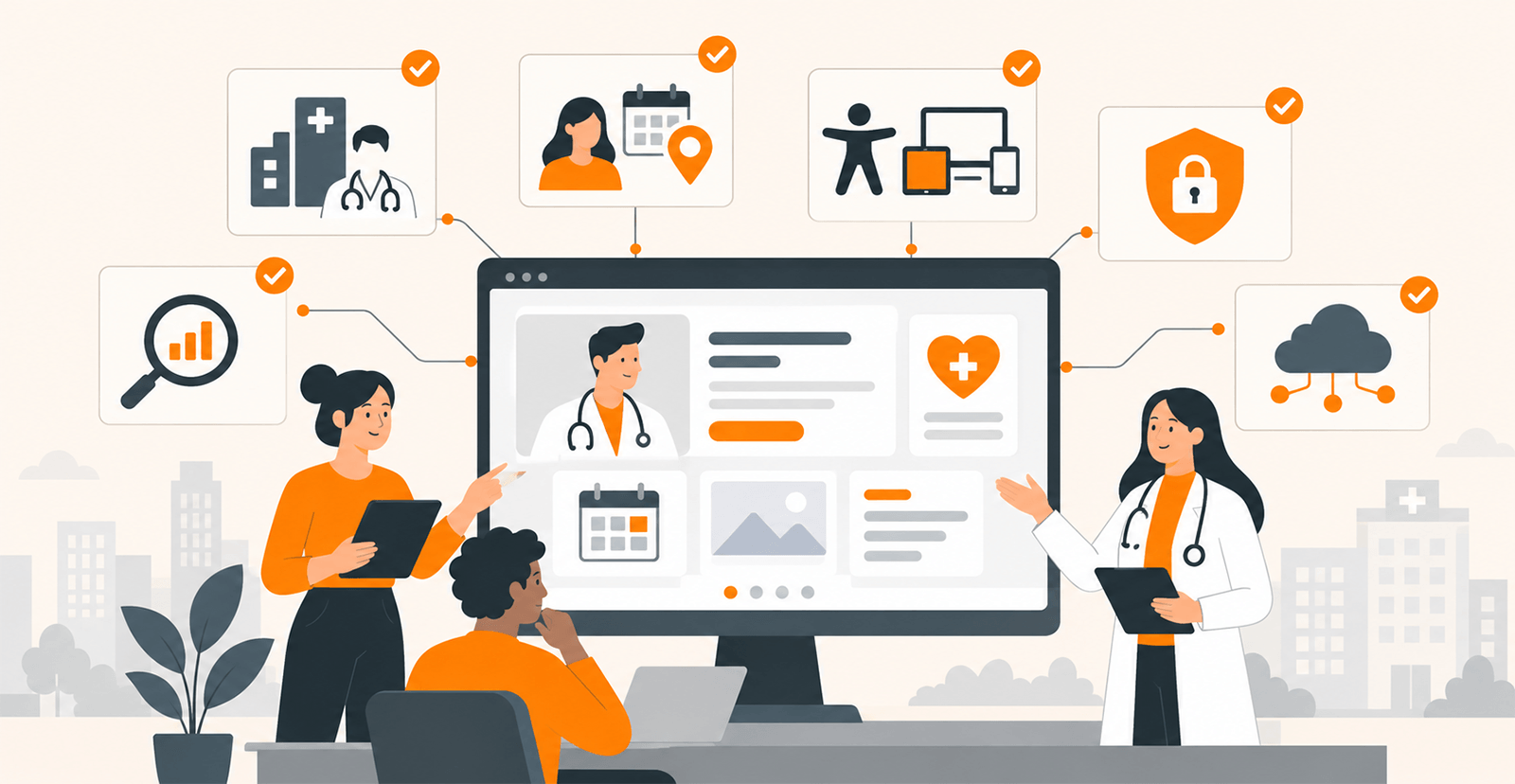
Healthcare websites have requirements that differ from standard business websites. An experienced agency should understand patient journeys, healthcare terminology, provider directories, appointment workflows, and the need to present complex medical information clearly. Ask whether the agency has worked with practices, clinics, hospitals, or health-tech companies similar to your organization.
2. Patient-Centered UX
Patients should be able to find services, providers, locations, insurance information, appointment options, and patient portals without unnecessary friction. A patient-centered UX organizes information around how patients actually seek care rather than mirroring the organization's internal structure.
3. Accessibility and Usability
Healthcare websites serve diverse audiences, including people with disabilities. Clear typography, adequate color contrast, keyboard navigation, descriptive form labels, logical heading structures, and responsive layouts all contribute to a more accessible experience. Most healthcare organizations follow WCAG 2.2 as their accessibility framework, and depending on the organization, the ADA and Section 504 of the Rehabilitation Act may also apply.
4. Privacy, Security, and HIPAA Awareness
Forms, scheduling systems, analytics tools, patient portals, and third-party integrations may collect or process information that qualifies as protected health information (PHI). Organizations should evaluate whether the agency understands HIPAA requirements, including the need for Business Associate Agreements (BAAs) with vendors that handle PHI, and whether tracking tools like GA4 are configured to avoid capturing patient data. For a deeper look at common compliance gaps, see HIPAA-Compliant Website Design: 8 Things Every Practice Gets Wrong.
5. SEO and Website Performance
Even a well-designed website will struggle if patients cannot find it or if its pages take too long to load. Technical SEO, mobile optimization, Core Web Vitals (LCP, INP, CLS), structured data (MedicalOrganization, Physician, FAQPage schema), and a logical information architecture all support search visibility and usability.
6. Scalability and Integrations
Healthcare organizations often need websites to connect with scheduling systems, provider databases, patient portals, CRMs, analytics platforms, and other tools. A scalable technical architecture makes it easier to add functionality as requirements evolve, whether that means new locations, service lines, or patient-facing features.
How We Selected the Top Healthcare Website Design Companies
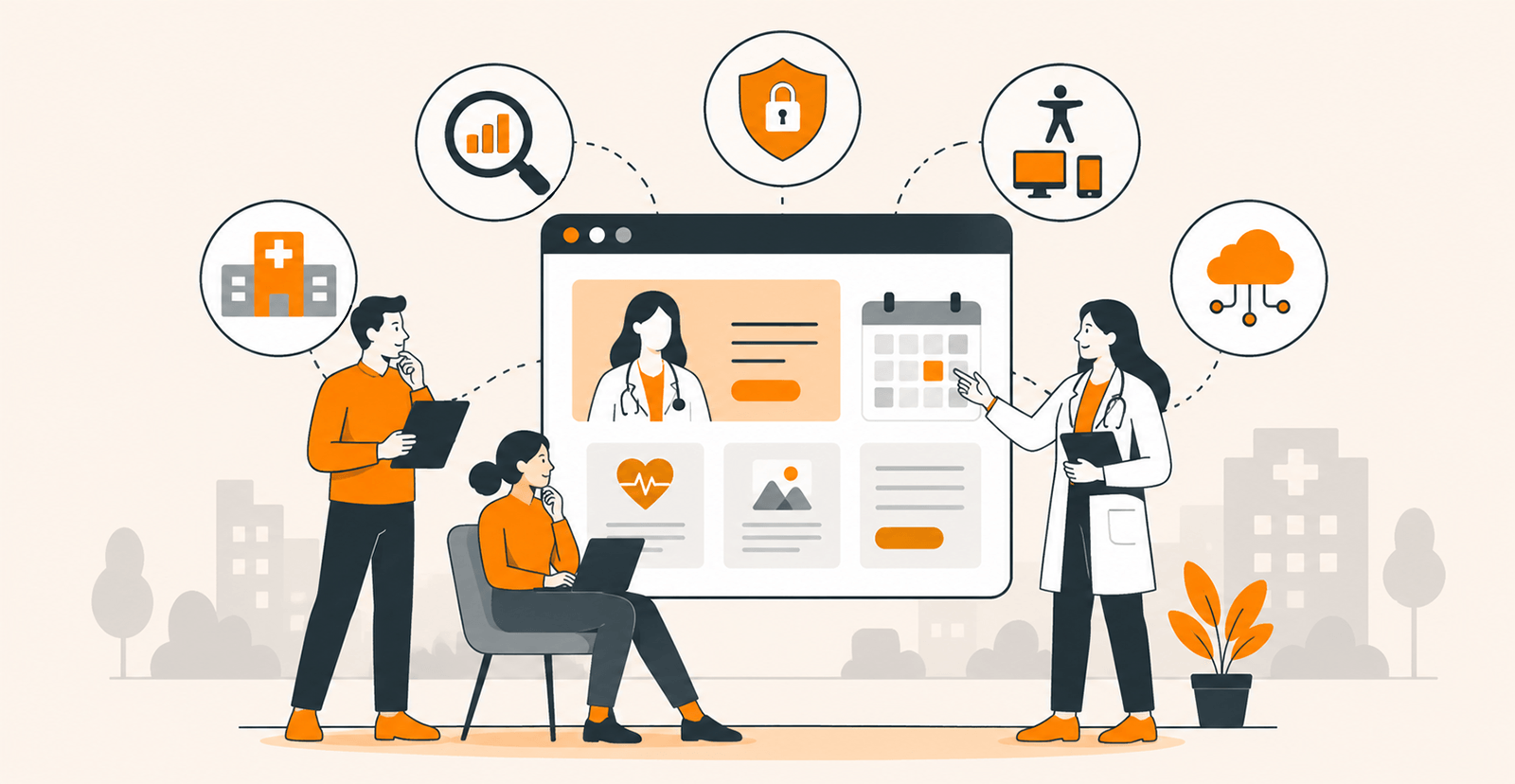
We evaluated these companies based on healthcare or health-tech project experience, website and UX capabilities, technical expertise, portfolio quality, service range, and suitability for different types of healthcare organizations. We used publicly available data from Clutch, DesignRush, and GoodFirms alongside portfolio reviews and published case studies.
We also assessed whether each agency addresses the requirements that distinguish healthcare websites from standard business websites, including accessibility, privacy, patient journeys, complex information architecture, integrations, and performance.
No company paid for placement on this list. The ranking is a practical starting point based on publicly available information, not an absolute measure of agency quality. The right choice depends on your organization's goals, technical requirements, budget, audience, and project scope.
How Much Does Healthcare Website Design Cost in the USA?
Healthcare website design and development costs vary based on page count, design complexity, integrations, CMS requirements, content creation, accessibility work, SEO, and ongoing maintenance. The following figures are broad planning estimates, not quoted agency rates.
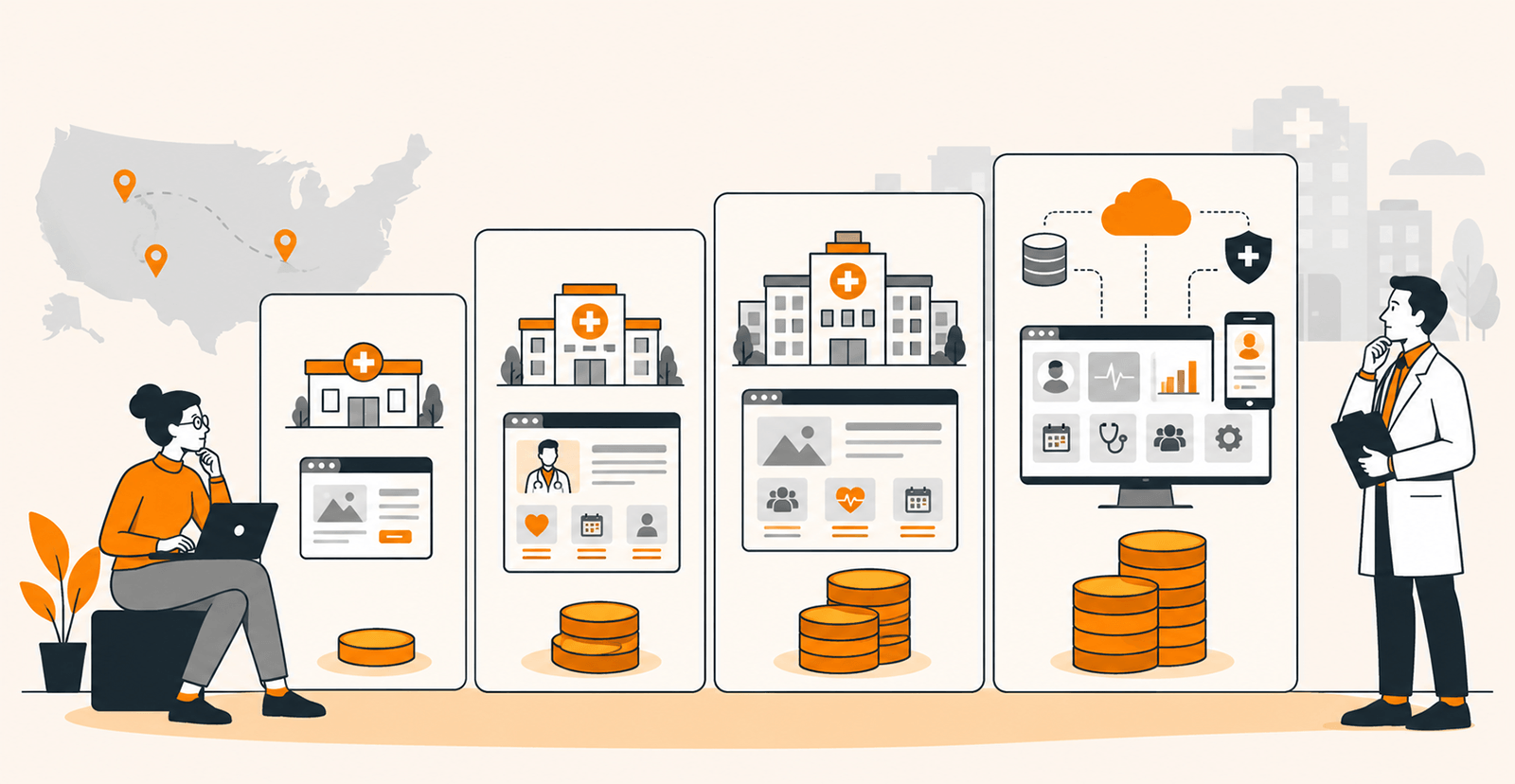
Website Type | Approximate Cost |
Small medical practice website | $5,000 to $15,000 |
Mid-sized healthcare website | $15,000 to $40,000 |
Large healthcare organization | $40,000 to $100,000+ |
Complex health-tech platform | $75,000 to $200,000+ |
These are planning ranges, not fixed agency prices. Features such as appointment scheduling, provider directories, patient portals, multilingual content, third-party integrations, and complex CMS architecture can significantly increase the overall cost. For a detailed breakdown, see Healthcare Website Design Cost in 2026.
Detailed Comparison Table for Top 10 Healthcare Website Design Companies in the USA (2026)
Company | Primary Expertise | Key Differentiator | Services | Best Suited For |
Quixta | Custom websites and digital solutions | End-to-end approach combining strategy, UX/UI, development, and SEO | Custom web design, UX/UI, web apps, CMS, SEO, research | Healthcare organizations seeking a custom, scalable website |
Goji Labs | Digital products and product strategy | Product-focused approach with research and prototyping | UX/UI, product strategy, development, research, prototyping | Health-tech companies and organizations building digital products |
Digital Silk | Full-service digital agency | Website design combined with branding and marketing | Web design, UX/UI, development, branding, CMS, SEO, digital marketing | Healthcare businesses seeking design + marketing under one partner |
ANML | Digital products and connected experiences | Focus on complex patient- and clinician-facing experiences | UX/UI, product design, health-tech, connected experiences, strategy | Healthcare products where UX and complex workflows are important |
Eastern standard | Brand and digital transformation | Experience with large, complex healthcare organizations | Strategy, UX, information architecture, development, branding, content, SEO, analytics | Large healthcare organizations with multiple audiences and digital properties |
Brafton | Content marketing and SEO | Strong integration of web development, content, and SEO | Web design/development, UX/UI, SEO, content strategy, content marketing | Healthcare brands focused on organic visibility and content |
Huemot | Web design and conversion-focused experiences | Distinctive visual design + conversion optimization | UX/UI, responsive development, strategy, branding, CMS, performance optimization | Healthcare brands prioritizing visual impact and conversions |
RNO1 | Health-tech platforms and digital identity | Simplifies complex healthcare platforms through UX and strategy | UX, product design, research, positioning, branding, website design, infrastructure | Health-tech and life-science organizations with complex platforms |
Lounge Lizard | Web design and digital marketing | Long-standing web experience combined with healthcare-specific services | Web design, UX/UI, development, WordPress, SEO, marketing, maintenance | Medical practices and healthcare organizations wanting ongoing digital support |
Clay | UX/UI and digital product design | Strong emphasis on user-centered digital experiences and design systems | UX research, UX/UI, product design, websites, prototyping, branding, design systems | Healthcare and health-tech companies where digital experience is central to the product |
Why Choose Quixta for Healthcare Website Design?
Healthcare websites need to balance patient needs with business objectives, technical performance, and a strong digital presence. Quixta brings together strategy, UX/UI design, development, and SEO to create websites tailored to an organization's specific goals.
- Custom Website Design: Quixta creates custom website experiences based on each healthcare organization's brand, audience, services, and objectives. Instead of relying on predefined templates, Quixta tailors the design to the organization's specific requirements. This helps healthcare brands build a distinctive, consistent digital presence.
- Patient-centered UX/UI: Quixta focuses on intuitive navigation, clear information architecture, and user-friendly interfaces that make it easier for patients to find relevant information. The website structure can be designed around common patient journeys and specific healthcare services. This helps reduce friction and creates a more straightforward user experience.
- Responsive Development: Patients access healthcare websites across smartphones, tablets, laptops, and desktops. Quixta develops responsive digital experiences that adapt to different screen sizes and devices. This helps maintain consistent usability and presentation across platforms.
- SEO and Performance: Healthcare websites must be discoverable and easy to use. Quixta combines SEO considerations with performance-focused development to create websites structured for search visibility and efficient loading. This can help healthcare organizations attract relevant visitors while providing a smoother browsing experience.
- Scalable Web Architecture: Healthcare organizations often expand their services, locations, content, and digital requirements over time. Quixta builds scalable solutions that can accommodate new pages, features, integrations, and functionality as those needs evolve. This better equips the website to support long-term growth.
- End-to-End Digital Solutions: Quixta brings strategy, research, UX/UI design, development, and SEO together within a single digital workflow. This creates greater consistency between the website's visual experience, technical foundation, and business objectives. Healthcare organizations can work with one partner across multiple stages of their digital transformation.
Conclusion
The right healthcare web design agency should understand patient needs while supporting accessibility, privacy, performance, SEO, integrations, and organizational goals. The best choice will depend on your audience, budget, technical requirements, and project scope. Quixta may suit organizations seeking a custom, scalable website supported by strategy, UX/UI design, development, and SEO.
Are you looking to build a healthcare website that attracts and engages patients?
Contact Quixta for a custom-built, high-performance website specifically tailored to meet your needs.
FAQs
A healthcare website differs from a standard business website because it must serve multiple audiences (patients, caregivers, providers), present complex medical information accessibly, support appointment scheduling, and meet accessibility and privacy requirements that most business websites do not face. Patients should be able to find services, providers, locations, insurance details, and appointment options without friction. The website also needs to establish trust through accurate information, professional design, and intuitive navigation.
Healthcare website design in the USA typically costs between $5,000 and $200,000+, depending on the project's scope. A small medical practice website may cost $5,000 to $15,000. A mid-sized healthcare website with multiple services and locations can range from $15,000 to $40,000. Larger healthcare organizations may invest $40,000 to $100,000+, while complex health-tech platforms can exceed $200,000. Custom UX/UI design, content creation, SEO, accessibility, integrations, and CMS requirements all affect the final cost.
A small medical practice website typically takes 6 to 12 weeks from discovery through launch. A mid-sized healthcare website with multiple services, locations, and providers may take 12 to 20 weeks. Complex health-tech platforms or hospital websites with integrations, patient portals, and large-scale content can take 20 to 32+ weeks. Timelines depend on design complexity, content volume, integrations, stakeholder review cycles, and the organization's approval process.
A healthcare website should include clear service pages, provider profiles, location information, contact details, appointment booking, and patient portal access. Search functionality and intuitive navigation help users locate relevant information quickly. Mobile responsiveness is essential because most patients access healthcare websites from smartphones. The specific features depend on the organization's audience, services, workflows, and technical needs.
UX design directly affects how easily patients can find information, compare providers, and complete tasks like scheduling appointments. A patient-centered UX organizes information according to how patients actually seek care rather than reflecting the organization's internal structure. Confusing navigation or poorly structured content creates frustration and drives visitors to competitors. UX should be treated as a core part of healthcare website design, not as a visual layer applied at the end.
Accessibility is essential because healthcare websites serve people with a wide range of abilities. Users may rely on screen readers, keyboard navigation, text resizing, captions, or other assistive technologies. Most healthcare organizations follow WCAG 2.2 as their implementation framework, and depending on the organization, the ADA and Section 504 may also apply. Build accessibility into the design and development process from the start rather than treating it as a pre-launch checklist.
SEO helps healthcare websites become discoverable when patients search for services, providers, conditions, or health information. A strong SEO strategy involves technical optimization, keyword research, content structure, internal linking, metadata, local SEO, structured data markup (such as MedicalOrganization and Physician schema), and performance improvements. Healthcare websites benefit from creating clear, substantive pages that address the specific questions and services their audiences search for.
Yes. Patients frequently use smartphones to find providers, check hours, get directions, review services, and schedule appointments. A responsive, mobile-first website makes these tasks easier by providing readable content, simple navigation, accessible controls, and fast-loading pages across screen sizes. Mobile performance also affects search rankings, since Google uses mobile-first indexing.
Start by defining your healthcare website's goals, technical requirements, budget, and timeline before approaching agencies. Evaluate their expertise in UX/UI design, development, SEO, accessibility, HIPAA awareness, integrations, and CMS platforms. Ask about their healthcare project experience, review their portfolio, and understand how they approach discovery, strategy, testing, and post-launch support. The right agency understands your audience and objectives rather than simply offering the lowest price.
Quixta combines strategy, UX/UI design, development, and SEO within a single workflow to build healthcare websites tailored to each organization's brand, audience, and objectives. Its approach focuses on custom, scalable solutions rather than template-based designs, with patient-centered navigation and responsive development across devices. Quixta's end-to-end approach means strategy, design, development, and optimization are handled together, creating greater consistency and reducing the coordination overhead of working with multiple vendors.
